What we do
Assets in trust. Benefits in Tetbury.
The charity has one instruction, written into its objectives: use everything under our control for the best possible benefit of the people of Tetbury. Here's how it's spent.
The Market House
Keeping the Grade I heart of the town, since 1655.
The Feoffees built the Market House in 1655 as a covered floor for the wool and yarn trade that made Tetbury rich. Nearly four hundred years later we still own it and still maintain it — restoration is in the building's blood; the Feoffees were restoring it as early as 1817, when the upper storey was removed.
It remains one of the great rooms of the Cotswolds, and keeping it for the town is the most visible thing we do.
Grade I listedBuilt 1655Owned & maintained

Advancing education
School prizes, apprenticeships, and everything since.
Education is written into the charity's objectives, and it always has been. The Victorian ledgers show the pattern: five boys apprenticed at £10 each, eight poor girls clothed, school prizes awarded to the diligent. The form changes; the principle doesn't.
Today the advancement of education for the people of Tetbury remains a core purpose of the trust — the same idea our ancestors funded with shillings, funded now with the town's own endowment.
EducationApprenticeships pastSchool prizes past
Open spaces
Ground to breathe in, held in trust for the town.
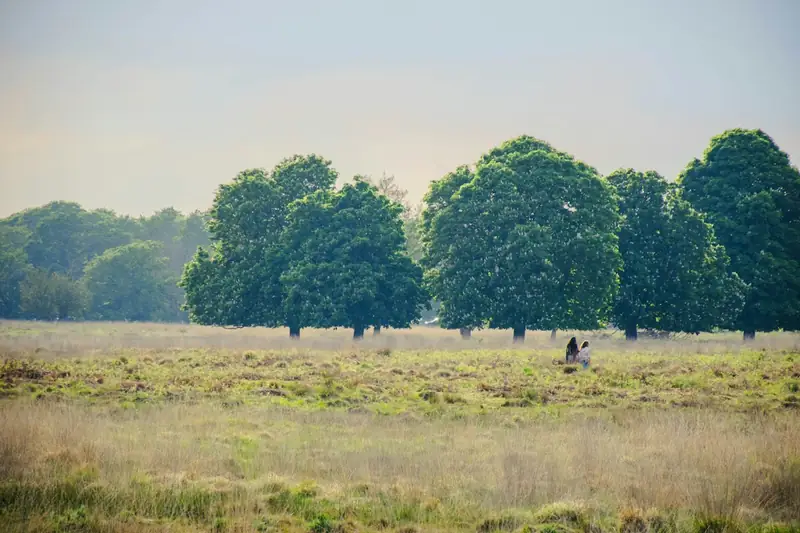
The objectives name it directly: the provision and maintenance of the open areas and recreational spaces under our control. From the historic Warren and the Hill — enclosed by Act of Parliament in 1814 to improve the endowment — to the open ground Tetbury walks and plays on today.
Open space is a quiet kind of charity. Nobody thanks a field. But every fine evening out on the grass, somebody's life is better for it — that's the whole point.
Open areasRecreational spacesMaintenance
The general benefit of Tetbury
When the town needs something, the deed says yes.
Beyond the named purposes sits the instruction that has governed the Feoffees since 1633: the best possible benefit of the people of Tetbury. The 1830 Scheme put it plainly — surplus funds go to the general advantage of the town.
That discretion has fed, clothed, taught and housed Tetbury's people across four centuries. If you believe something would genuinely benefit the town, write to the Feoffees and make the case. It's how the whole thing started.
Best possible benefitGeneral advantage of the town
The town, in trust
Stone streets, open hills, and a hall that waits for all of us.